Exotic Snakes
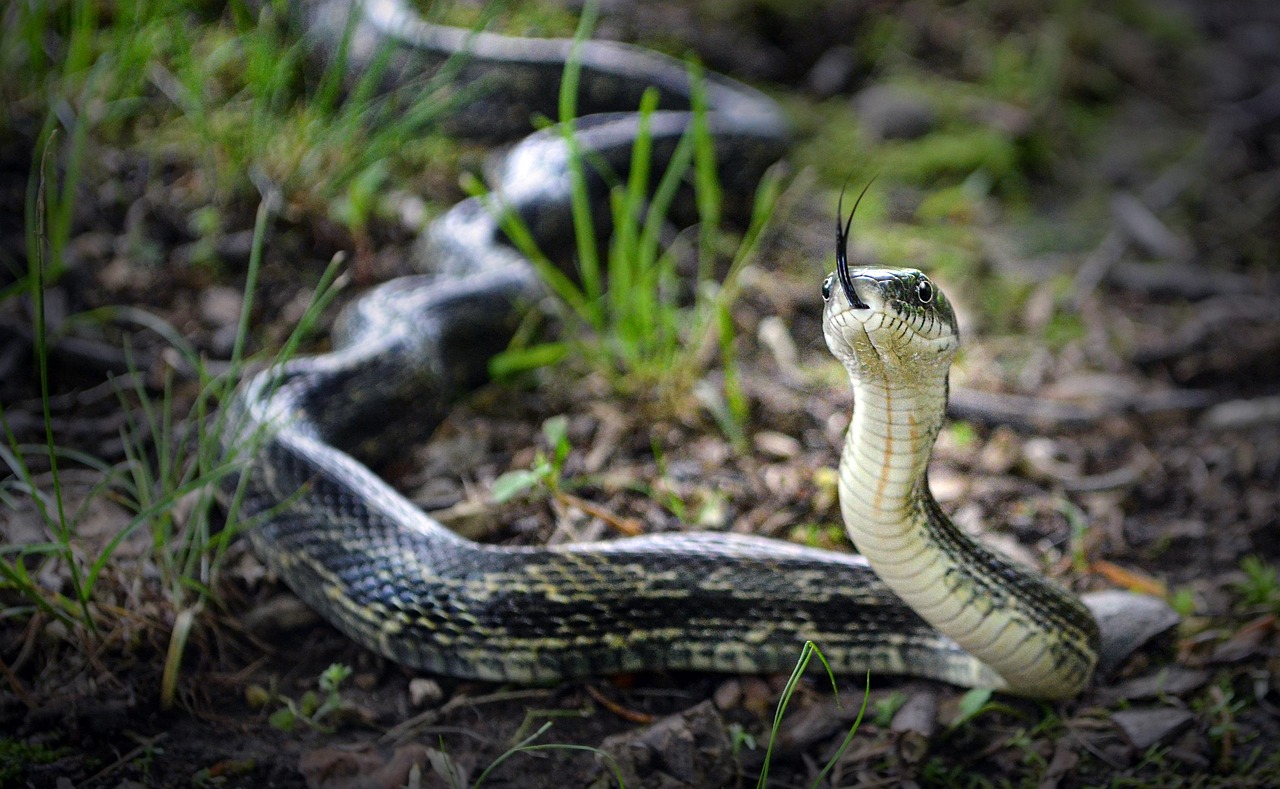
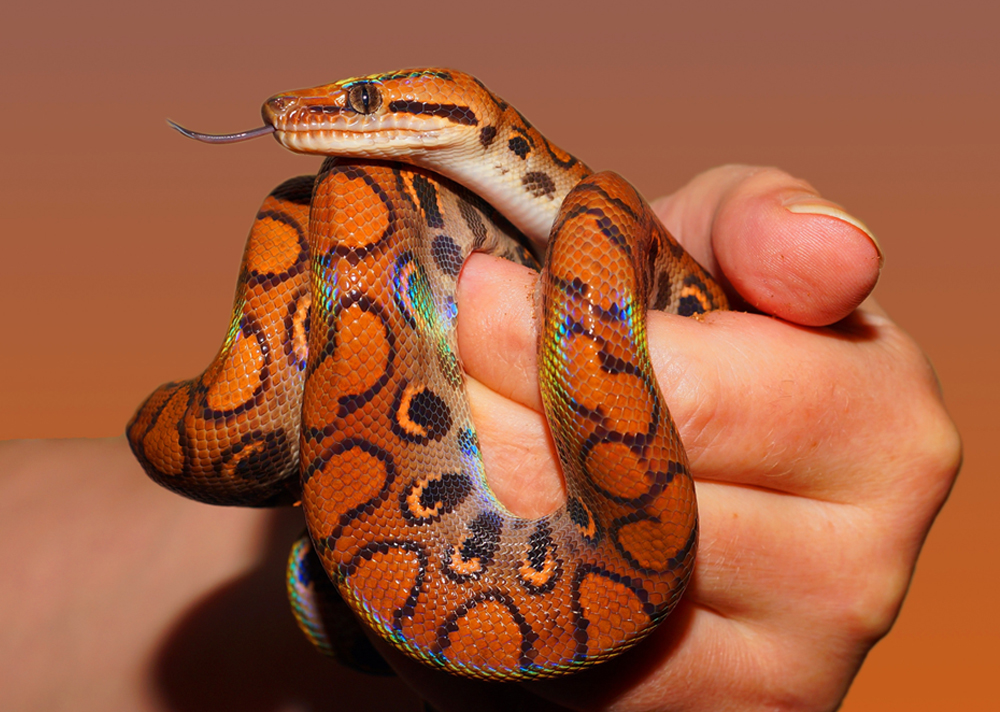
In India, “exotic snakes” refers to non-native snake species sometimes kept as pets or traded illegally. These include species like Ball Pythons, Corn Snakes, and others that have been found during wildlife trafficking cases.
The term can also include rare Indian snakes that are unique to certain habitats and often mistaken for exotic species due to their distinctive appearance.
1. Non-Native Exotic Snakes
Common exotic pets and species found in illegal wildlife trade.
Ball Python
Popular exotic pet with many color morphs.
Corn Snake
Gentle and colorful, often bred for pet trade.
Milk Snake
Vibrant red and black bands make it attractive to collectors.
Western Hognose Snake
Known for its upturned snout and harmless defensive behavior.
California King Snake
Beautiful black and white banding, often bred in captivity.
Green Tree Python
Bright green arboreal snake native to Indonesia.
Boa Constrictor (Red-tail Boa)
Large, strong constrictor species often smuggled illegally.
Bearded Dragon
Exotic lizard commonly found in illegal reptile trade.
Iguana
Large herbivorous reptile from South America.
Sulcata Tortoise
One of the largest tortoise species, illegally sold as pets.
Red-eared Slider Tortoise
Popular pet species that can threaten local ecosystems.
2. Legal and Conservation Concerns
Addressing the threats of illegal trade, habitat loss, and conservation challenges.
Illegal Wildlife Trade
The trafficking of exotic wildlife, including snakes, poses serious ecological and legal challenges. Strong law enforcement and awareness are essential.
Habitat Loss
Deforestation and urbanization reduce natural habitats, putting native snakes like the Indian Python at risk of extinction.
Conservation Efforts
Conservation requires a combined effort — legal measures, habitat protection, responsible ownership, and public awareness.